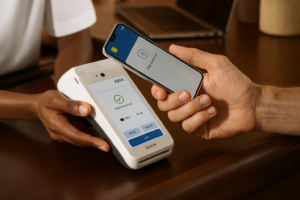
Quick Summary: When comparing card machine costs for your Irish business, looking beyond the advertised monthly fee is essential. This comprehensive guide reveals the hidden costs, contract considerations, and value-added features that impact the true cost of card machines, helping you make an informed decision that aligns with your business needs and budget.
Introduction: The Hidden Complexity of Card Machine Pricing
When Ciara Murphy opened her boutique in Kilkenny last year, she thought choosing a card machine would be straightforward. “I just looked for the lowest monthly rental fee,” she admits. “Six months later, I realized I was paying nearly €200 more each month than necessary because I hadn’t understood the full cost structure.”
Ciara’s experience isn’t unusual. For many Irish business owners, comparing card machine costs feels like navigating a maze of confusing terms, hidden fees, and complex pricing structures. A provider advertising the lowest monthly rental might ultimately be your most expensive option when all costs are considered.
“It’s rarely about finding the cheapest provider,” explains financial advisor Patrick O’Donnell. “It’s about finding the most cost-effective solution for your specific business model and transaction patterns.”
This guide will equip you with the knowledge to look beyond the base price and make a truly informed decision when comparing card machine costs for your Irish business.
Understanding the Full Cost Structure
Before diving into comparison strategies, it’s essential to understand the complete cost framework of card payment processing:
The Three-Tier Cost Structure
Most card machine costs can be categorized into three main areas:
1. Hardware Costs
- Terminal rental fees (typically €15-€35 monthly)
- One-time purchase costs (€200-€700 for outright purchase)
- Setup and installation fees (€0-€100)
- Replacement and repair costs
2. Transaction Costs
- Percentage fees per transaction (typically 1.0% to 3.5%)
- Fixed per-transaction fees (€0.05-€0.30 per transaction)
- Minimum monthly processing fees
- Cross-border transaction surcharges
3. Service and Administrative Costs
- PCI compliance fees
- Account maintenance fees
- Statement fees
- Early termination charges
- Chargeback fees
- Technical support costs
According to the Banking & Payments Federation Ireland, transaction costs typically represent 70-85% of the total expense of card processing for most Irish businesses, making them far more significant than the visible hardware rental fees that providers often emphasize in their marketing.
Step-by-Step Comparison Framework
To effectively compare card machine costs, follow this structured approach:
Step 1: Analyze Your Transaction Profile
Before approaching providers, understand your own business patterns:
Transaction Volume
- How many card transactions do you process monthly?
- What is your average transaction value?
- Do you have seasonal fluctuations in transaction volume?
Transaction Types
- What percentage of your transactions are debit vs. credit?
- Do you accept American Express and other premium cards?
- What proportion of transactions are contactless vs. chip and PIN?
- Do you process many international cards?
“Your transaction profile is your most powerful negotiating tool,” advises retail consultant Sinead O’Brien. “A provider’s ‘standard package’ might be terribly unsuited to your specific business pattern.”
Case Example: The Coffee Shop vs. The Jeweler
Consider how different business models require different pricing structures:
- The Coffee Shop: High volume (500+ daily transactions), low average value (€5-10)
- The Jeweler: Low volume (5-10 daily transactions), high average value (€200+)
The coffee shop would be devastated by high per-transaction fees, while the jeweler would be more concerned with percentage rates on high-value sales.
Step 2: Calculate Total Cost of Ownership (TCO)
For each provider you’re considering, calculate the projected TCO over a 24-month period (the typical contract length):
TCO Formula
TCO = (Monthly Hardware Costs × 24) + (Average Monthly Transaction Fees × 24) + One-time Fees + Estimated Additional Charges
Where:
- Monthly Hardware Costs = Terminal rental + Any monthly service fees
- Average Monthly Transaction Fees = (Avg. monthly transaction volume × Per-transaction fee) + (Monthly transaction value × Percentage fee)
- One-time Fees = Setup fees + Installation charges
- Estimated Additional Charges = PCI fees + Minimum monthly charges (if applicable) + Statement fees
Step 3: Decode the Pricing Models
Different pricing models can dramatically impact your costs:
Interchange Plus
- Transparently passes the card network fees plus a fixed markup
- Typically best for businesses with average transaction values over €25
- Offers predictability and transparency
Blended Rate
- Single percentage fee regardless of card type
- Simplifies accounting but often costs more overall
- May be suitable for very small businesses seeking simplicity
Tiered Pricing
- Different rates for different card types and transaction methods
- Often includes “qualified,” “mid-qualified,” and “non-qualified” rates
- Can lead to unexpected costs for premium card acceptance
“The most expensive pricing model is the one you don’t understand,” notes payment industry expert Michael Brennan. “Always ask providers to explain their fee structure using examples specific to your business.”
Hidden Costs to Watch For
Beyond the obvious fees, be vigilant about these commonly overlooked costs:
Contract-Related Expenses
Early Termination Fees
- Can range from €100 to €500 or more
- Some providers charge a percentage of your remaining contract value
- “Evergreen clauses” that auto-renew contracts can trigger unexpected termination fees
Minimum Processing Requirements
- Many providers require minimum monthly transaction volumes
- Failing to meet minimums may trigger additional fees
- Typically range from €10 to €25 monthly
According to a Small Firms Association survey, 42% of Irish small businesses have paid early termination fees when switching providers, with an average cost of €375.
Technology and Compliance Costs
PCI Compliance Fees
- Annual or monthly charges for payment card industry data security standards compliance
- Often €60-€100 annually or €5-€10 monthly
- Some providers include this in their base package, others charge separately
Software Updates and Gateway Fees
- Charges for payment gateway access
- Fees for terminal software updates
- API integration costs for e-commerce connections
Operational Costs
Chargeback Fees
- Charges when customers dispute transactions (typically €15-€30 per chargeback)
- Higher for businesses in “high-risk” industries
- Some providers offer chargeback protection services for additional fees
Settlement Timing Fees
- Standard settlement typically takes 2-3 business days
- Faster settlement options often incur additional charges
- Next-day settlement premiums range from 0.2% to 0.5% of transaction value
Sean Kelly, who runs a busy Dublin restaurant, learned this lesson the hard way: “We switched to a provider advertising ‘free hardware’ but didn’t realize they were charging a premium for next-day settlement. For a restaurant with tight cash flow needs, this hidden cost added up to over €2,000 annually.”
Value-Added Features Worth Paying For
Not all additional costs are negative – some premium features deliver significant value:
Integration Capabilities
EPOS System Compatibility
- Seamless connection to your point-of-sale system
- Eliminates double-entry and reduces errors
- Speeds up service and improves customer experience
Accounting Software Integration
- Direct data flow to QuickBooks, Xero, or Sage
- Reduces administrative work and accounting costs
- Improves financial reporting accuracy
“We pay €10 more monthly for full integration with our EPOS and accounting systems,” explains boutique owner Emma Walsh. “That small premium saves us about 10 hours of staff time weekly – an incredible return on investment.”
Analytics and Reporting Tools
Customer Insights
- Detailed reporting on customer purchasing patterns
- Ability to track repeat customers
- Segmentation capabilities for targeted marketing
Business Performance Metrics
- Sales analytics by time period, product, or staff member
- Comparison reporting against previous periods
- Mobile app access to real-time data
Customer Experience Enhancements
Loyalty Program Integration
- Digital point collection and reward management
- Customer recognition capabilities
- Personalized marketing opportunities
Multiple Payment Options
- Acceptance of all major card types
- Digital wallet compatibility (Apple Pay, Google Pay)
- Alternative payment methods support
Real-World Cost Comparison Example
To illustrate these principles, let’s compare three fictional providers for a mid-sized Irish café processing 3,000 transactions monthly with an average value of €15:
| Cost Factor | Provider A | Provider B | Provider C |
|---|---|---|---|
| Monthly Terminal Rental | €19.99 | €29.99 | €0 (included) |
| Transaction Fee % | 1.69% | 1.49% | 1.99% |
| Per-Transaction Fee | €0.25 | €0.10 | €0.15 |
| Monthly Service Fee | €0 | €9.99 | €0 |
| Settlement Timing | Next day (+0.3%) | Next day (included) | 2-3 days (standard) |
| PCI Compliance Fee | €99/year | Included | €9.99/month |
| Contract Length | 36 months | 24 months | 18 months |
| Early Termination Fee | €300 | €150 + remaining rental | €99 |
| Monthly Hardware Cost | €19.99 | €39.98 | €0 |
| Monthly Transaction Cost | €1,012.20 | €782.70 | €894.00 |
| Additional Monthly Fees | €8.25 | €0 | €9.99 |
| TOTAL MONTHLY COST | €1,040.44 | €822.68 | €903.99 |
| 24-Month TCO | €24,970.56 | €19,744.32 | €21,695.76 |
Despite having the lowest terminal rental cost, Provider A is significantly more expensive overall due to higher transaction fees. Provider B, despite having the highest visible hardware costs, offers the best total value. This illustrates why comparing base pricing alone can be deeply misleading.
Industry-Specific Considerations
Different business types have unique card machine cost considerations:
Retail
- High transaction volume means per-transaction fees are critical
- Integration with inventory management systems adds value
- Rapid checkout speeds during peak times essential
Hospitality
- Tipping functionality needs
- Table management integration
- Split bill handling capabilities
Professional Services
- Invoicing integration
- Recurring payment features
- Mobile payment capabilities for on-site service
E-commerce and Omnichannel
- Gateway fees
- Virtual terminal costs
- Online fraud prevention tools
“The most costly mistake is choosing a generic solution for a specialized business,” warns payment consultant David Murphy. “Industry-specific needs often justify paying slightly more for the right features.”
Negotiation Strategies with Providers
Armed with knowledge, you can negotiate more effectively:
Leverage Your Transaction Volume
- Higher volumes give you bargaining power
- Be prepared to share statements from current providers
- Ask about volume-based discounts
Request Fee Waivers
- Setup and activation fees are often negotiable
- PCI compliance fees can sometimes be waived
- Ask about promotional offers for new merchants
Compare Competitors’ Offers
- Get written quotes from multiple providers
- Ask providers to match or beat competitors’ rates
- Focus on total cost rather than individual fee components
Consider Seasonal Adjustments
- If your business is seasonal, negotiate lower fees during quiet periods
- Ask about hibernation options for terminals during off-seasons
- Explore minimum monthly fee waivers during predictable slow months
“I brought quotes from three providers and asked my preferred company to match the best elements of each,” shares florist Catherine Byrne. “They couldn’t match everything, but we reached a middle ground that saved me about 15% compared to their initial offer.”
The True Cost of Cheap Card Machines
While finding value is important, the cheapest option can become the most expensive when these factors are considered:
Reliability Costs
- Terminal downtime can cost significantly in lost sales
- Customer frustration with slow or unreliable machines damages reputation
- Engineer callout fees for budget terminals can quickly exceed savings
Customer Experience Impact
- Slower transaction processing times affect customer satisfaction
- Limited payment options may result in lost sales
- Poor integration creates checkout friction
Administrative Burden
- Manual reconciliation due to poor reporting tools
- Time spent resolving payment issues
- Training challenges with unintuitive interfaces
“We switched to a budget provider to save €15 monthly,” admits bookshop owner Thomas Reid. “Three months later, we switched back after calculating that terminal downtime and frustrated customers were costing us at least ten times that amount.”
Creating Your Comparison Worksheet
To facilitate your own comparison, create a worksheet with these essential elements:
Basic Provider Information
- Provider name and contact details
- Customer service hours and contact methods
- Local support availability
Hardware and Contract Terms
- Terminal types available
- Contract length and renewal terms
- Early termination conditions
- Setup and installation processes
Fee Structure
- Monthly/annual fixed costs
- Transaction fee percentages (by card type if applicable)
- Per-transaction fixed fees
- Additional service charges
Value-Added Features
- Integration capabilities
- Reporting and analytics
- Customer experience enhancements
- Security features
Calculated Projections
- Monthly transaction costs based on your volume
- Total monthly costs including all fees
- Projected annual cost
- 24-month total cost of ownership
Conclusion: Making the Right Choice for Your Business
Comparing card machine costs effectively requires looking far beyond the advertised monthly rental fee. By understanding your unique transaction profile, calculating the true total cost of ownership, and recognizing the value of specific features for your business model, you can make an informed decision that balances cost and value.
Remember:
- The provider with the lowest monthly fee is rarely the most cost-effective
- Your transaction volume and average value dramatically affect which pricing structure works best
- Hidden fees often outweigh visible costs
- Industry-specific needs may justify premium features
- The right payment solution can drive business growth, not just process transactions
For Irish business owners, the ideal approach is neither choosing the cheapest option nor the one with the most features, but rather finding the solution that aligns with your specific business needs, transaction patterns, and growth objectives.
Next Steps for Your Business
Ready to find the most cost-effective card machine solution for your Irish business? Compayre offers independent comparisons of the best card machines in Ireland, helping you see beyond advertised rates to discover the true cost of ownership.
- Compare card machine costs from all major Irish providers
- Get personalized recommendations based on your transaction profile
- Find the best value card machines for your specific business type
Need expert guidance on comparing card machine costs for your Irish business? Contact Compayre at +353 1 265 4403 or visit compayre.ie to compare the best card machines in Ireland today.
About the Author: This comprehensive guide was created by the payment technology experts at Compayre, Ireland’s leading independent comparison service for merchant payment solutions. Our team has helped over 5,000 Irish businesses find the most cost-effective payment processing solutions.
Sources:
- Banking & Payments Federation Ireland Merchant Services Report 2024
- Small Firms Association Payment Processing Cost Survey 2024
- Central Bank of Ireland Small Business Financial Services Review
- Retail Excellence Ireland Payment Technology Adoption Study
- Enterprise Ireland Digital Payments Guide
Related Articles You Might Find Helpful: