Quick Summary: Smart card machines have revolutionized how Irish small businesses operate, offering advanced features beyond simple payment processing. From detailed analytics to inventory management integration, these devices are helping local enterprises compete more effectively while improving customer experiences. This comprehensive guide explores the transformation happening across Ireland’s small business landscape.
Introduction: The Evolution of Payment Technology in Ireland
When Anne Murphy opened her artisanal bakery in Galway five years ago, managing payments meant a clunky traditional card terminal, a separate cash register, and hours spent manually reconciling sales and updating inventory. Today, her entire operation runs through a single smart card machine that not only processes payments but manages her loyalty program, tracks bestselling items, and even helps forecast inventory needs.
“It’s like having an extra staff member who never calls in sick,” Anne laughs. “The difference in how I run my business now compared to just a few years ago is night and day.”
Anne’s experience mirrors that of thousands of small business owners across Ireland who have discovered that modern smart card machines deliver far more than just payment processing. These devices have become central to business operations, driving efficiency and creating new opportunities for growth and customer engagement.
What Makes Card Machines “Smart”?
Before diving into their impact, it’s worth understanding what distinguishes today’s smart card machines from their predecessors:
Key Features of Smart Card Machines
- Integrated software platforms that connect payments to other business systems
- Cloud connectivity enabling real-time data synchronization and remote management
- Advanced analytics providing actionable business insights
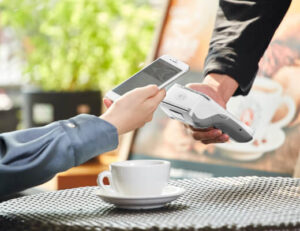
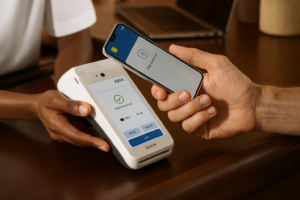
- Multiple payment capabilities beyond cards (contactless, digital wallets, QR codes)
- Integration capabilities with POS, accounting, and inventory systems
- Customer relationship tools including loyalty programs and digital receipts
According to the Banking & Payments Federation Ireland, adoption of smart payment terminals among Irish small businesses has grown by 64% since 2023, with particularly strong growth in retail, hospitality, and professional services.
Transformative Impact on Irish Small Businesses
The shift to smart card machines has created measurable benefits across multiple dimensions of small business operations:
1. Streamlined Financial Operations
Integrated Accounting
Modern smart terminals connect directly with popular accounting platforms like Xero and QuickBooks, eliminating manual data entry and reducing errors.
“I used to spend Sunday evenings manually entering sales data,” explains Conor O’Brien, who runs a hardware store in Cork. “Now my smart terminal syncs directly with my accounting software. It’s saved me about 5 hours every week, and my accountant tells me my books have never been cleaner.”
Simplified Tax Compliance
For Irish small businesses, VAT reporting requirements can be burdensome. Smart payment systems can:
- Automatically categorize sales by VAT rate
- Generate tax-ready reports
- Maintain digital records for Revenue compliance
The Small Firms Association estimates that automated tax compliance features save Irish small businesses an average of 15 hours per month in administrative work.
Cash Flow Management
Real-time visibility into payment processing, including:
- Instant confirmation of payment success
- Clear breakdown of fees
- Faster settlement times (often next-day compared to 3-5 days with legacy systems)
2. Enhanced Customer Experience
Smart card machines have transformed how businesses interact with customers during the crucial payment moment:
Multiple Payment Options
Today’s Irish consumers expect payment flexibility:
- Contactless cards (with the current €50 limit)
- Mobile wallets with unlimited authenticated limits
- Traditional chip and PIN
- Digital payment methods like QR codes
A Retail Excellence Ireland survey found that businesses offering at least four payment methods reported 27% higher customer satisfaction scores compared to those offering just card and cash options.
Personalized Experiences
Smart terminals enable personalization even in small businesses:
- Recognition of returning customers
- Access to purchase history
- Personalized offers and recommendations
- Digital receipt options (email/SMS)
Loyalty Integration
Perhaps most significantly, smart card machines have democratized loyalty programs:
- Digital point collection
- Automatic reward notification
- No need for physical loyalty cards
- Customizable incentives based on purchase behavior
“Our loyalty program used to be paper punch cards that customers constantly lost,” shares Siobhan Keane, who owns a boutique in Kilkenny. “Since moving to a digital system through our smart terminal, participation has increased by 60% and repeat business is up 34%.”
3. Data-Driven Decision Making
Smart card machines have given Irish small businesses access to data insights previously available only to larger enterprises:
Sales Analytics
- Hourly, daily, and seasonal sales patterns
- Average transaction values
- Bestselling products and services
- Effectiveness of promotions
Customer Insights
- Customer visit frequency
- Time spent in-store
- Purchasing patterns
- Response to special offers
Competitive Advantage
As Michael Collins, business advisor at Local Enterprise Office Dublin, explains: “The small businesses thriving today are those using payment data to make smarter decisions. They know exactly which products to stock, when to staff up, and how to price effectively because they have real data, not just gut feeling.”
Smart Card Machines and EPOS Integration
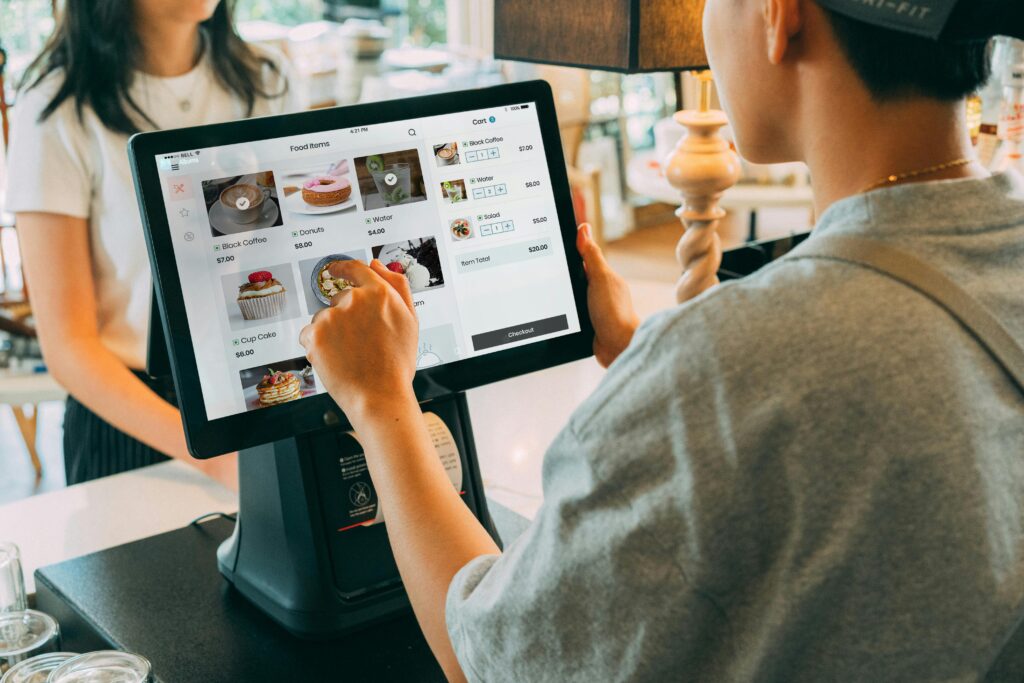
For many Irish small businesses, the most significant impact comes when smart card machines are integrated with Electronic Point of Sale (EPOS) systems:
Seamless Business Operations
The smart terminal-EPOS connection creates a unified system that:
- Eliminates double-entry of sale information
- Automatically updates inventory when items are sold
- Creates comprehensive sales reports
- Manages staff performance tracking
Industry-Specific Solutions
Different sectors see unique benefits:
Retail
- Instant inventory updates
- Staff commission tracking
- Multi-location stock visibility
- Detailed product performance metrics
Hospitality
- Table management
- Split bill handling
- Tipping options
- Kitchen order integration
Services
- Appointment scheduling
- Service history tracking
- Time-based billing
- Recurring payment setup
Choosing the Right Smart Card Machine for Your Irish Business
With numerous options available, Irish small business owners should consider several factors when comparing card machine providers:
Key Evaluation Criteria
Software Capabilities
- What integrations are supported? (EPOS, accounting, e-commerce)
- Is the software regularly updated?
- What analytics and reporting features are included?
- Is there a developer API for custom integrations?
Hardware Considerations
- Battery life for mobile operations
- Screen size and quality
- Durability for your environment
- Connectivity options (4G, Wi-Fi, Ethernet)
Contract and Pricing Transparency
- Monthly fees vs. pay-as-you-go options
- Transaction fee structure
- Contract length and termination terms
- Hardware rental vs. purchase options
Support Quality
The Irish Payment Services Organisation recommends prioritizing:
- Irish-based support teams
- Extended hours coverage
- Multiple support channels
- Emergency terminal replacement service
“Don’t underestimate the importance of local support,” advises Dermot Ryan, who runs a busy pharmacy in Waterford. “When your payment system goes down on a Saturday afternoon, you need someone who understands the Irish payment ecosystem and can help immediately.”
Implementation Challenges and Solutions
While the benefits are clear, Irish small businesses often face hurdles when adopting smart payment technology:
Common Challenges
Staff Adaptation
New technology requires training and adjustment. Successful implementations typically include:
- Hands-on training sessions
- Simple reference guides
- Designated “super users” who can help others
- Gradual introduction of advanced features
Integration Issues
Connecting to existing systems can sometimes be complicated:
- Legacy software compatibility problems
- Data migration challenges
- Multiple vendor coordination
Cost Management
Smart terminals typically cost more than basic models:
- Higher monthly fees
- Premium transaction rates for advanced features
- Software subscription costs
Practical Solutions
Séamus O’Neill, a payment technology consultant who has helped over 50 Irish small businesses implement smart terminals, recommends:
- Start with core functionality and add features gradually
- Request a trial period before committing to specific hardware
- Negotiate contracts based on your transaction volume
- Budget for training time as an implementation cost
- Join user communities to learn from other businesses using the same systems
Real Success Stories: Irish Small Businesses Transformed
The Book Nook, Dublin
This independent bookshop used smart terminal data to completely rethink their business:
“Our smart payment system showed us that while fiction sales were steady, customers buying non-fiction spent 40% more on average,” explains owner Liam Doyle. “We reconfigured our store layout to highlight these high-value categories and saw our average transaction value increase by €7.50 almost immediately.”
Claddagh Jewellers, Galway
For this traditional jeweler, smart terminals revealed surprising patterns:
“We discovered that 65% of our sales over €200 happened after 3pm,” shares manager Maeve O’Connor. “By adjusting our staffing to have more experienced sales consultants working later shifts, we’ve increased our high-value sales by 23% year-over-year.”
The Green Grocer, Cork
This small grocer used payment data to completely transform their business model:
“Our smart terminal showed us that customers who purchased prepared foods spent three times more than those buying only produce,” says owner Patrick Murphy. “We expanded our prepared foods section, added more ready-meals, and saw our revenue increase by 42% within six months, all while reducing food waste.”
The Future of Smart Payment Technology for Irish Small Businesses
As we look toward the future, several trends will likely shape how smart card machines continue to transform Irish small businesses:
Emerging Technologies
Artificial Intelligence
Next-generation terminals are incorporating AI to:
- Predict customer preferences
- Optimize pricing dynamically
- Detect fraud patterns
- Generate proactive business recommendations
Biometric Authentication
Increased security through:
- Fingerprint verification
- Facial recognition
- Voice authentication
Expanded Payment Methods
Beyond current options:
- Cryptocurrency acceptance (with automatic conversion to Euro)
- Open banking payments
- Social media platform integrations
Regulatory Considerations
Irish small businesses should also stay informed about payment regulation changes:
- Strong Customer Authentication (SCA) requirements continuing to evolve
- Open Banking initiatives creating new payment possibilities
- Data protection considerations under GDPR
The Central Bank of Ireland provides regular updates on regulatory changes affecting payment technologies for small businesses.
Conclusion: Embracing the Smart Terminal Revolution
For Irish small businesses, smart card machines represent far more than just updated payment hardware—they’re comprehensive business tools that level the playing field with larger competitors.
From streamlined operations and enhanced customer experiences to data-driven decision making, the technology has transformed how Ireland’s small business community operates. Those who embrace these capabilities position themselves for greater efficiency, improved customer loyalty, and sustainable growth in an increasingly digital marketplace.
As we move further into 2025, the question for Irish small business owners is no longer whether to adopt smart payment technology, but rather how to maximize its potential to drive their specific business objectives.
Next Steps for Your Business
Ready to explore how smart card machines could transform your Irish small business? Compayre offers independent comparisons of the best card machines in Ireland, helping you find the perfect solution for your specific business needs.
- Compare card machine costs from all major Irish providers
- Discover the best card machines in Ireland for your industry
- Find specialized card machines for small businesses with smart features
Need expert guidance on finding the right smart card machine solution for your Irish business? Contact Compayre at +353 1 265 4403 or visit compayre.ie to compare the best card machines in Ireland today.
About the Author: This comprehensive guide was created by the payment technology experts at Compayre, Ireland’s leading independent comparison service for merchant payment solutions. Our team has helped over 5,000 Irish businesses optimize their payment acceptance strategies.
Sources:
- Banking & Payments Federation Ireland Digital Payments Report 2024
- Small Firms Association Technology Adoption Survey 2024
- Central Bank of Ireland Small Business Payment Trends 2025
- Retail Excellence Ireland Customer Experience Benchmarking
- Local Enterprise Office Digital Transformation Guide
Related Articles You Might Find Helpful: