Card payment machines have become an integral part of modern commerce, enabling businesses to accept electronic payments securely and conveniently. While these machines may appear simple on the surface, they rely on sophisticated technology to facilitate seamless transactions. In this blog post, we will delve into the technology behind card payment machines, exploring the components and processes that make them function efficiently and securely.
Hardware Components
Card payment machines consist of several essential hardware components that work together to process transactions:
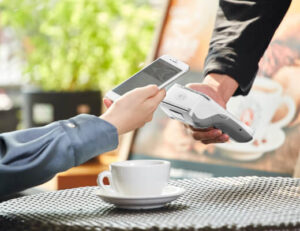
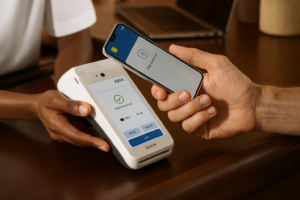
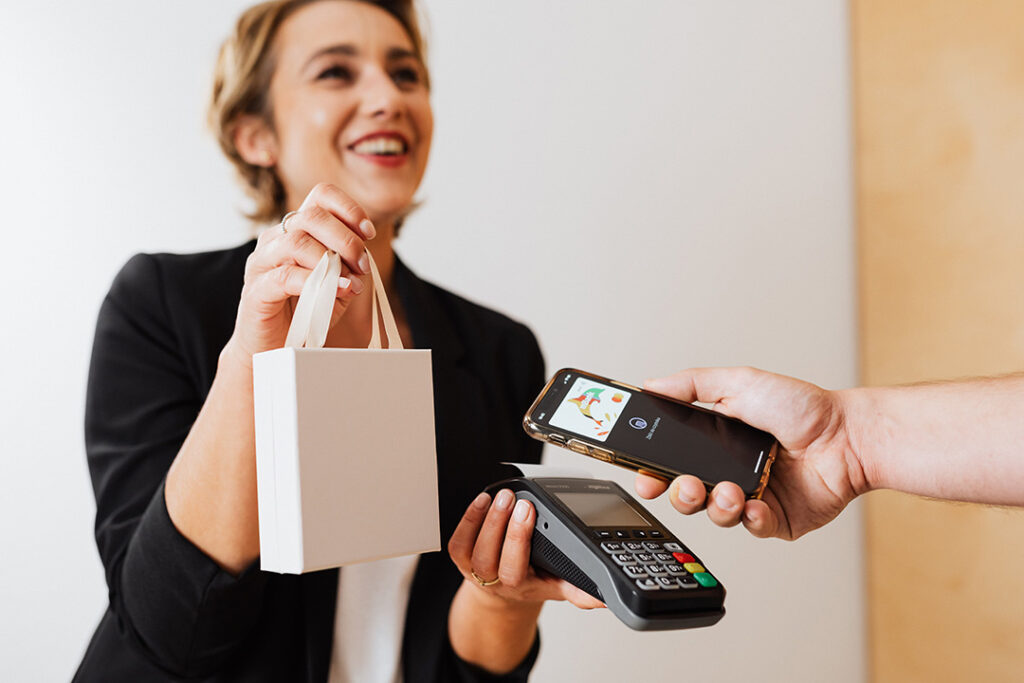
a) Card Reader: The card reader is the primary interface for capturing card data. It utilizes magnetic stripe, chip, or contactless technology to read card information securely. Modern card readers often support multiple card types to accommodate various payment methods.
b) Display Screen: The display screen provides a user-friendly interface for both merchants and customers. It enables the input of transaction details, prompts for PIN entry, and displays transaction summaries or prompts for customer signatures.
c) Keypad: The keypad allows users to input transaction amounts, select options, or enter PIN codes securely. It plays a crucial role in ensuring accurate data entry and authentication during transactions.
d) Connectivity Options: Card payment machines are equipped with various connectivity options, including Ethernet, Wi-Fi, or cellular networks, to establish a secure connection with payment processors and transmit transaction data in real time.
Transaction Processing
The technology behind card payment machines enables the efficient processing of transactions:
a) Card Verification: When a customer inserts or swipes their card, the payment machine verifies its authenticity and validity. This process involves reading the card’s magnetic stripe or chip, checking its encryption, and communicating with the payment network to ensure the card is not reported stolen or compromised.
b) Authorization Request: Once the card is verified, the payment machine sends an authorization request to the payment processor or issuing bank. This request includes transaction details, such as the card number, transaction amount, and merchant identification. The payment processor validates the request and determines whether the transaction can proceed.
c) Encryption and Security: Throughout the transaction process, card payment machines employ encryption protocols to protect sensitive data. Encryption ensures that card information remains secure during transmission, reducing the risk of interception or unauthorized access.
d) Transaction Settlement: After the transaction is authorized, the payment machine initiates the settlement process. This involves transferring funds from the customer’s account to the merchant’s account through the payment network. Settlement occurs typically within a specified time frame, ensuring that merchants receive timely payments.
Backend Integration and Reporting
Behind the scenes, card payment machines integrate with backend systems to provide comprehensive reporting and management capabilities:
a) Payment Gateway Integration: Card payment machines are often integrated with payment gateways, which act as intermediaries between the machine and the payment processor. The payment gateway securely transmits transaction data to the payment processor and facilitates communication between the machine and the backend systems.
b) Reporting and Analytics: Card payment machines can generate detailed transaction reports, providing valuable insights into sales performance, transaction volumes, and customer behaviour. These reports enable merchants to make informed business decisions and optimize their operations.
c) Backend Integration: Payment machines integrate with other business systems, such as inventory management or customer relationship management (CRM) platforms, to streamline operations. Integration allows for real-time updates, accurate inventory tracking, and improved customer engagement.
Conclusion
Card payment machines are powered by advanced technology that enables secure, efficient, and reliable transaction processing. Through a combination of hardware components, transaction processing protocols, encryption, and backend integration, these machines provide businesses with the capability to accept electronic payments seamlessly. By understanding the technology behind card payment machines, businesses can make informed decisions when selecting the right solution for their specific needs and enhance the payment experience for both merchants and customers.