Digital wallets have rapidly transformed the payment landscape across Ireland, changing how consumers pay and how businesses process transactions. For merchants operating in the Irish market, understanding the growth of digital wallets and their implications for your business has become essential. This surge in digital wallet adoption offers both opportunities and challenges for businesses of all sizes looking to meet evolving customer expectations.
How Digital Wallets in Ireland Are Transforming Payments
The rise of digital wallets in Ireland has been nothing short of remarkable. According to Banking & Payments Federation Ireland, contactless and digital payments have increased by over 300% since 2019. This transformation accelerated during the pandemic when consumers sought touch-free payment options, but the convenience of digital wallets has ensured their continued growth even as restrictions have lifted.
For merchants accepting card payments in Ireland, adapting to this shift is no longer optional—it’s a competitive necessity. Compayre.ie’s payment trends analysis shows that businesses offering digital wallet acceptance typically see 15-20% higher customer satisfaction scores.
What Are Digital Wallets and How Do They Work?
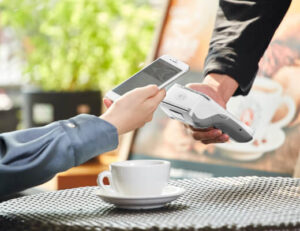
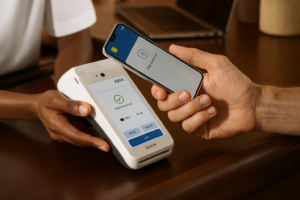
Digital wallets (also called e-wallets or mobile wallets) are applications that store payment information securely on smartphones or other devices. Instead of using physical cards, consumers can simply tap their phones on compatible card machines to complete transactions.
The most popular digital wallets in Ireland include:
- Apple Pay: Dominant among iPhone users
- Google Pay: Popular with Android users
- Samsung Pay: Used by Samsung device owners
- Revolut: Gaining significant market share in Ireland
- PayPal: Often used for both online and in-store payments
When a customer pays with a digital wallet, the transaction operates through Near Field Communication (NFC) technology—the same system used by contactless cards. The digital wallet creates a unique transaction code (token) rather than sharing the actual card details, adding a layer of security.
Digital Wallet Adoption Statistics in Ireland
The rise of digital wallets in Ireland is evidenced by compelling statistics from the Central Bank of Ireland:
- 72% of Irish consumers have used a digital wallet at least once
- 48% use digital wallets as their primary payment method when shopping in-store
- Digital wallet transactions have grown by 62% year-over-year
- 84% of Irish consumers aged 18-35 regularly use digital wallets
- The average digital wallet transaction in Ireland is €32
These figures underscore the critical importance for merchants to accommodate digital wallet payments to remain competitive in the Irish market.
Benefits of Digital Wallets for Irish Merchants
Enhanced Transaction Speed and Reduced Queue Times
One of the most immediate benefits driving the rise of digital wallets in Ireland is transaction speed. Digital wallet payments typically process 30-40% faster than traditional card payments and significantly quicker than cash transactions. For busy retailers, cafés, and restaurants, this speed can dramatically reduce queue times during peak periods.
When integrated with modern EPOS systems, digital wallet transactions also create more streamlined checkout experiences, allowing staff to serve more customers in less time.
Improved Security Features of Digital Wallet Transactions
The rise of digital wallets brings enhanced security for both merchants and customers. Digital wallet transactions use tokenization, which means the actual card data is never shared with the merchant. This significantly reduces the risk of data breaches and fraud.
According to the European Central Bank, digital wallet fraud rates are 73% lower than traditional card transactions. For Irish merchants, this means fewer chargebacks, disputes, and the associated costs and administrative burdens.
Customer Preference and Competitive Advantage
As digital wallets continue their rise in Ireland, consumer expectations are shifting. Research by Visa indicates that 67% of Irish consumers consider payment options when choosing where to shop, and 41% have avoided businesses that don’t accept their preferred payment method.
By embracing digital wallets, merchants can:
- Meet customer expectations
- Appeal to younger demographics who overwhelmingly prefer digital payments
- Project an image of innovation and modernity
- Reduce friction in the purchasing process
Implementing Digital Wallet Acceptance in Your Business
Necessary Hardware and Software Updates
To accommodate the rise of digital wallets in Ireland, merchants need to ensure they have NFC-enabled card machines. Most modern card payment terminals support this technology, but older models may need upgrading.
Key requirements include:
- NFC-enabled card machines: All terminals should support contactless payments
- Updated payment software: Ensure your payment processing software supports digital wallet transactions
- Integrated EPOS system: For maximum efficiency, your EPOS system should seamlessly integrate with digital wallet payments
Compayre.ie’s hardware comparison tool can help you identify which terminals best support digital wallet functionality for your specific business needs.
Training Staff on Digital Wallet Transactions
As digital wallets rise in popularity across Ireland, staff training becomes crucial. Employees should understand:
- How digital wallet transactions differ from traditional methods
- Troubleshooting common issues (like NFC connectivity problems)
- Security protocols and verification procedures
- How to guide customers using digital wallets for the first time
Investing in comprehensive training ensures smooth adoption and positive customer experiences as you integrate digital wallet acceptance.
Digital Wallets in Ireland: Implementation Costs
Understanding the financial implications of the rise of digital wallets is essential for Irish merchants. Generally, digital wallet transactions incur the same fees as contactless card payments, but this varies by provider.
Typical fee structures include:
- Transaction percentage: Usually between 0.8% and 1.8%
- Flat per-transaction fee: Often €0.05 to €0.15 per transaction
- Monthly service fees: Some providers charge additional fees for digital wallet acceptance
It’s worth noting that many merchants find the slightly higher costs offset by increased sales volumes, reduced cash handling expenses, and faster transaction times. Compayre.ie’s fee calculator can help you estimate the specific impact on your business.
Overcoming Challenges in Digital Wallet Implementation
Technical Integration Issues
While the rise of digital wallets presents significant opportunities, technical integration challenges can emerge. Common issues include:
- Compatibility problems between EPOS systems and payment terminals
- Network connectivity requirements for consistent operation
- Transaction reconciliation across different payment methods
- API integration for advanced features
Working with experienced payment solution providers like Compayre.ie can help navigate these technical challenges and ensure smooth implementation.
Addressing Customer Concerns About Digital Wallets
Despite the rise of digital wallets in Ireland, some customers remain hesitant. Common concerns include:
- Privacy worries about digital tracking
- Security fears regarding phone theft or hacking
- Uncertainty about transaction processes
- Battery dependency concerns
Merchants can address these issues by:
- Displaying clear signage about accepted digital wallets
- Training staff to explain security benefits
- Providing quick guides for first-time users
- Maintaining traditional payment options alongside digital alternatives
According to Behaviour & Attitudes research, merchant reassurance significantly influences consumer willingness to try digital wallet payments for the first time.
Future of Digital Wallets in Ireland: Emerging Trends
Biometric Authentication and Enhanced Security
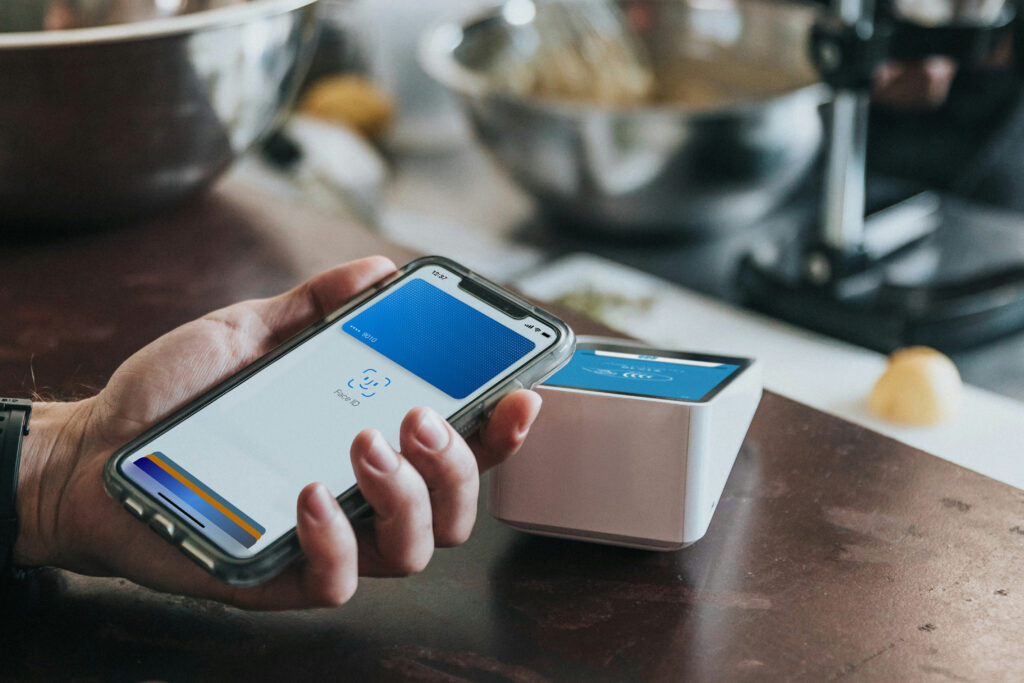
As digital wallets continue their rise across Ireland, biometric authentication is becoming increasingly prevalent. Fingerprint and facial recognition technologies are replacing PINs for transaction verification, offering both enhanced security and greater convenience.
For merchants, these developments mean:
- Even faster transaction processing
- Reduced fraud risk
- Higher customer confidence in payment security
- Lower risk of payment disputes
Integration with Loyalty Programs and Personalized Marketing
One of the most promising aspects of the digital wallet rise for Irish merchants is the potential for integrated loyalty programs. Digital wallets are increasingly capable of storing loyalty cards, processing rewards, and enabling personalized offers.
Forward-thinking merchants are already exploring how to:
- Automatically apply loyalty discounts through digital wallet identification
- Deliver personalized offers based on purchase history
- Streamline the rewards redemption process
- Create seamless omnichannel experiences between online and in-store purchases
The Irish Loyalty Awards highlights that businesses with integrated digital payment and loyalty solutions typically see 24% higher customer retention rates.
Conclusion: Embracing the Digital Wallet Future
The rise of digital wallets in Ireland represents a fundamental shift in consumer payment preferences. For merchants, adapting to this change is both a challenge and an opportunity. Businesses that embrace digital wallet technology position themselves to meet customer expectations, streamline operations, and gain competitive advantages in an increasingly digital marketplace.
As digital wallet adoption continues to accelerate, staying informed about emerging trends and continuously optimizing your payment acceptance strategy will be crucial for business success. By partnering with payment experts like Compayre.ie, Irish merchants can navigate this evolving landscape with confidence.
At Compayre.ie, we specialize in helping Irish businesses implement and optimize payment solutions, including digital wallet acceptance. Contact us at +353 1 265 4403 to learn how we can help your business adapt to the rise of digital wallets and enhance your overall payment strategy.