Introduction: The Growing Importance of Card Payment Solutions in Ireland
The card terminal comparison Ireland merchants need to make has become increasingly important as cashless payments continue to dominate the market. With numerous options available—from traditional countertop terminals to innovative mobile card readers—selecting the right payment solution impacts not just your operational efficiency but also your bottom line. Irish businesses across sectors are weighing the benefits of established traditional terminals against newer mobile card readers comparison reveals compelling advantages for certain business types. At Compayre.ie, we’ve analyzed both options extensively to help Irish merchants make informed decisions based on their specific needs.
Understanding Traditional Card Machines
Key Features of Traditional Card Terminals in Ireland
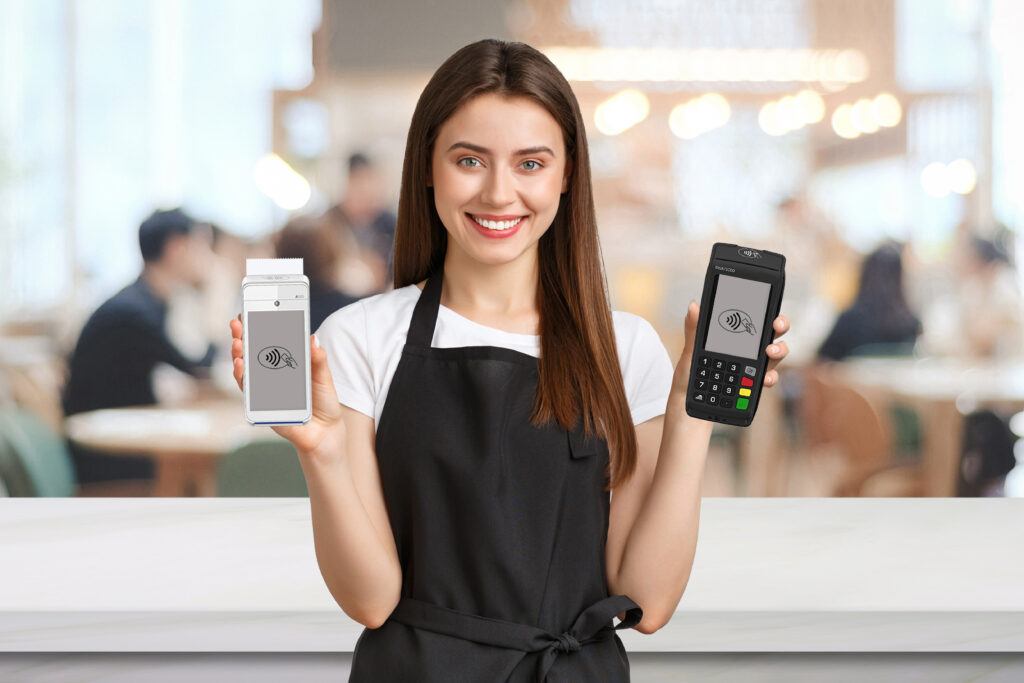
Traditional card machines have been the backbone of electronic payment processing for decades. These countertop or fixed terminals offer:
- Stable wired internet connections (usually Ethernet)
- Built-in receipt printers
- Consistent performance in fixed locations
- Familiar interface for staff and customers
- Higher transaction volume capacity
Many established Irish retailers, restaurants, and service businesses rely on these systems for their reliability and robust feature set. The Central Bank of Ireland reports that fixed terminals still process the majority of card transaction volume nationwide.
When Traditional Card Terminals Provide Better Value
Traditional terminals often deliver superior value for:
- High-volume retail environments with consistent transaction queues
- Fixed-location businesses like supermarkets and department stores
- Businesses with reliable broadband connections prioritizing consistent uptime
- Establishments processing larger transaction values where reliability is paramount
According to recent data from Banking & Payments Federation Ireland, businesses processing over 100 transactions daily typically achieve lower per-transaction costs with traditional terminals despite higher upfront equipment costs.
The Mobile Card Reader Revolution
Understanding Mobile Card Payment Solutions
Mobile card readers represent the new generation of payment technology, offering:
- Smartphone or tablet connectivity via Bluetooth or direct connection
- Compact, portable design
- Lower initial hardware investment
- Flexible payment acceptance anywhere with cellular coverage
- Modern features like digital receipts and instant sales analytics
Our mobile card readers comparison shows these solutions have gained significant market share among Irish small businesses and entrepreneurs seeking flexibility and lower entry costs.
Business Types Benefiting from Mobile Card Readers
Mobile card reader comparison Ireland data indicates these solutions provide optimal value for:
- Pop-up shops and market vendors requiring payment flexibility
- Service professionals who visit customers (plumbers, electricians, etc.)
- Small retailers with limited counter space needing compact solutions
- Startups and new businesses with budget constraints
- Multi-location operations sharing payment terminals between sites
Value Comparison: Critical Factors for Irish Merchants
Initial Investment and Ongoing Costs
Traditional Terminal Costs
- Higher upfront hardware costs (€200-€600)
- Monthly rental options (€15-€30 per month)
- Fixed monthly fees regardless of usage
- Potentially lower per-transaction fees for high volumes
- Installation and setup fees may apply
Mobile Reader Costs
- Lower initial hardware investment (€20-€150)
- Pay-as-you-go options without monthly commitments
- Higher per-transaction fees (typically 1.5-2.75%)
- Minimal or no setup costs
- Additional costs for receipt printers if needed
For seasonal businesses or those processing fewer than 50 transactions weekly, mobile card reader comparisonfindings typically favor the pay-as-you-go model despite slightly higher per-transaction costs.
Mobility Benefits Analysis
The card terminal comparison Ireland merchants should consider includes a thorough assessment of mobility needs:
Traditional Terminal Limitations
- Fixed to a single location or counter
- Requires constant power source
- Needs stable internet/phone line connection
- Limited flexibility for store layout changes
- Not suitable for delivery or off-site transactions
Mobile Reader Advantages
- Accept payments anywhere with mobile coverage
- Battery-powered operation for hours of continuous use
- Multiple connectivity options (4G, WiFi, Bluetooth)
- Easily shared between staff members
- Ideal for tableside payments in hospitality settings
Irish businesses reporting customer satisfaction increases after implementing tableside payment options using mobile readers, according to industry surveys.
Connectivity Options and Reliability
Traditional Terminal Connectivity
- Wired Ethernet connection (most reliable)
- Dial-up options for backup
- Fixed-line reliability
- Less susceptible to wireless interference
- Consistent performance during peak business hours
Mobile Reader Connectivity
- 4G/5G cellular data
- WiFi connectivity
- Bluetooth pairing with smart devices
- Dependency on network coverage
- Potential connection issues in rural areas
For merchants in rural Ireland where mobile coverage may be inconsistent, our card terminal comparison Irelandanalysis shows traditional terminals typically provide more reliable connectivity through fixed broadband.
Transaction Speed Comparison
Processing time differences can significantly impact customer experience and operational efficiency:
Traditional Terminal Processing
- Average transaction completion: 5-8 seconds
- Consistent performance regardless of transaction volume
- Built for high-throughput environments
- Reliable during peak periods
- Dedicated processing hardware
Mobile Reader Processing
- Average transaction completion: 3-12 seconds (varies by connection quality)
- May slow during poor connectivity
- Dependent on paired device performance
- Newer models approaching traditional terminal speeds
- Variations between different mobile reader brands
For businesses where checkout speed is critical, such as busy cafés or convenience stores, traditional terminals typically maintain more consistent performance during peak hours.
Security Considerations in Card Machine Selection
Traditional Terminal Security Features
- Physical security through fixed installation
- Dedicated secure network connections
- Purpose-built security hardware
- Industry-standard encryption
- Regular automatic security updates
Mobile Reader Security Profile
- End-to-end encryption
- Tokenization of payment data
- No card data stored on mobile devices
- Compliance with current security standards
- Additional security through linked mobile device
Both options maintain strong security profiles when provided by reputable vendors, with equally robust PCI DSS compliance. The Irish Payment Services Organisation confirms both terminal types adhere to required security protocols when sourced from authorized providers.
Customer Experience Impact
How your chosen payment solution affects the customer experience:
Traditional Terminal Customer Experience
- Familiar payment flow for customers
- Physical receipt provided automatically
- Fixed checkout location
- Professional appearance
- Customer enters PIN on dedicated keypad
Mobile Reader Customer Experience
- Modern, technology-forward impression
- Flexible payment location (tableside, in-aisle)
- Digital receipt options
- Potential novelty factor for some customers
- Customer may enter PIN on touchscreen or separate device
Our mobile card readers comparison indicates customer satisfaction scores are increasingly favoring the flexibility of mobile solutions, particularly in hospitality and service-based businesses.
Real-World Performance: Case Studies from Irish Businesses
Traditional Terminal Success: Dublin Retailer
A mid-sized Dublin clothing retailer processing 200+ transactions daily found traditional terminals provided:
- 99.8% uptime over 12 months
- Consistent 6-second average transaction time
- Lower overall processing fees due to volume discounts
- Reliable operation during seasonal peaks
- Seamless integration with existing EPOS system
Mobile Reader Success: Cork Food Truck
A popular food truck operating at various locations throughout Cork implemented mobile card readers and experienced:
- 35% increase in average transaction value
- Ability to operate at events without infrastructure limitations
- 28% reduction in overall payment processing costs
- Improved cash flow through same-day settlement
- Enhanced customer satisfaction with payment flexibility
Choosing the Right Solution: Decision Framework
When conducting your own card terminal comparison Ireland assessment, consider these key decision factors:
Business Model Considerations
- Transaction volume: How many payments do you process daily?
- Transaction value: What is your average sale amount?
- Location stability: Do you operate from a fixed location or multiple/changing sites?
- Seasonal fluctuations: Does your business experience significant seasonal variability?
- Growth projections: How rapidly do you expect transaction volumes to increase?
Technical Environment Assessment
- Internet reliability: How stable is your broadband connection?
- Space constraints: Do you have limited counter space?
- Existing EPOS integration: What systems need to connect with your payment solution?
- Staff technical proficiency: How comfortable are your team members with new technology?
- Power availability: Do you have reliable access to power outlets?
Hybrid Approaches: Getting the Best of Both Worlds
Many Irish businesses are finding value in hybrid approaches:
- Traditional terminals at fixed checkout locations
- Mobile readers for floor staff, deliveries, or outdoor service areas
- Seasonal adjustments adding mobile capacity during peak periods
- Phased migration testing mobile solutions before full commitment
This flexible approach allows businesses to optimize their payment infrastructure for different scenarios while managing costs effectively.
Future-Proofing Your Payment Infrastructure
Emerging Trends in Card Payment Technology
When making your card terminal comparison Ireland decision, consider these upcoming trends:
- Contactless payment growth continuing to accelerate
- Soft POS solutions turning smartphones into payment terminals
- Integrated loyalty and payment systems becoming standard
- Biometric authentication enhancing security and convenience
- Cross-border payment standardization simplifying European transactions
Technology Roadmap Considerations
Your payment technology roadmap should account for:
- Hardware replacement cycles (typically 3-5 years)
- Software update requirements and compatibility
- Evolving security standards compliance needs
- Customer payment preference changes in your sector
- Integration capabilities with future business systems
Making Your Decision: Value Assessment Checklist
Traditional Terminal Value Indicators
? Processing 100+ transactions daily ? Fixed business location with reliable internet ? Need for printed receipts and reporting ? Integration with existing EPOS systems ? Stable, predictable business patterns
Mobile Reader Value Indicators
? Lower transaction volumes or seasonal business ? Multiple locations or on-the-go service ? Budget constraints limiting initial investment ? Need for flexibility in payment acceptance ? Growing business with changing requirements
Finding the Right Provider in Ireland
When selecting a payment terminal provider, consider:
- Transaction fee transparency and contract terms
- Technical support availability and responsiveness
- Settlement timeframes for received funds
- Contract flexibility and minimum commitments
- Integration capabilities with your business systems
At Compayre.ie, we help Irish businesses compare provider options side-by-side, highlighting the actual costs and benefits based on your specific business profile.
Conclusion: Making an Informed Decision
The card terminal comparison Ireland businesses need to make isn’t simply about choosing between traditional and mobile—it’s about finding the right fit for your specific operational needs and customer expectations. By thoroughly assessing your transaction patterns, location requirements, connectivity options, and growth plans, you can select a payment solution that delivers optimal value.
For most established fixed-location businesses with high transaction volumes, traditional terminals continue to offer compelling value through reliability and consistent performance. For businesses prioritizing flexibility, lower entry costs, or mobility, mobile card readers provide increasingly competitive alternatives with fewer limitations than previous generations.
The best approach is often to evaluate your specific requirements rather than following general trends. Our card machine comparison tool can help you assess which solution aligns best with your business model and payment processing needs.
Frequently Asked Questions
Are traditional card machines more secure than mobile card readers?
Both traditional and mobile solutions from reputable providers offer similar security standards, including encryption and PCI DSS compliance. The security difference is minimal when using authorized equipment from established providers.
What happens if internet connectivity fails with a mobile card reader?
Most modern mobile readers offer offline transaction capabilities up to certain limits, storing encrypted transaction data for processing once connectivity returns. This feature varies by provider, so confirm the specifics with potential suppliers.
Do traditional terminals process transactions faster than mobile readers?
Traditional terminals typically offer more consistent processing speeds, especially during peak times. However, the latest generation of mobile readers with strong 4G/5G connections can achieve comparable transaction speeds in optimal conditions.
Which solution costs less for a new small business?
For new small businesses, mobile card readers typically offer lower total cost of ownership in the first year due to minimal upfront investment and pay-as-you-go options. As transaction volumes grow, traditional terminals may become more cost-effective.
Can I switch between different payment providers easily?
Switching flexibility varies significantly between providers. Some require long-term contracts with exit fees, while others offer month-to-month arrangements. Always review contract terms carefully before committing to any payment solution.
Need personalized guidance on selecting the right card terminal for your Irish business? Contact Compayre.ie at +353 1 265 4403 for expert advice tailored to your specific needs. As a Guaranteed Irish company, we understand the local market and can help you navigate payment technology options while optimizing costs.