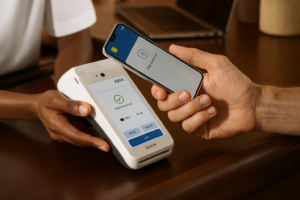
Quick Summary: Effective product bundling strategies can significantly increase average order value, improve inventory management, and enhance customer satisfaction across various business types. This comprehensive guide explores how different industries can implement tailored bundling approaches, from retail and e-commerce to services and B2B sectors, helping your business maximize revenue while delivering superior customer value.
Tags: #ProductBundlingStrategies #BusinessTypes #SalesOptimization #RetailStrategies #EcommerceMarketing
Introduction: Why Product Bundling Strategies Matter for Every Business Type
For businesses of all kinds, implementing thoughtful product bundling strategies can dramatically transform sales performance, inventory turnover, and customer satisfaction. These strategic combinations of complementary items or services sold together at a single price point have proven effective across virtually every business type, from small retail shops to global e-commerce platforms, service providers, and B2B enterprises. The right product bundling strategies allow businesses to increase average transaction values, move slow-selling inventory, strengthen value perception, and simplify purchasing decisions for customers.
“Product bundling strategies represent one of the most versatile and effective sales approaches available to modern businesses,” explains marketing strategist Michael O’Connor. “While the specific implementation varies dramatically across different business types, the fundamental principles of value enhancement and complementary offerings apply universally.”
According to the Small Firms Association, Irish businesses that implement strategic bundling approaches typically see 15-25% increases in average order values and significant improvements in inventory turnover rates. This comprehensive guide explores how different business types can develop and optimize product bundling strategies tailored to their specific markets, offerings, and customer needs.
Understanding Product Bundling Fundamentals
Before exploring specific strategies for different business types, it’s important to understand the core concepts of effective bundling:
Types of Product Bundling Strategies
Different bundling approaches serve distinct business objectives:
Pure Bundling
- Definition: Items available only as part of a bundle, not separately
- Business Objective: Maximize adoption of new or less-popular items
- Customer Perception: Potentially restrictive but value-oriented
- Best For: Complementary products with strong interdependence
Mixed Bundling
- Definition: Items available both individually and as bundles
- Business Objective: Increase average order value while maintaining flexibility
- Customer Perception: Value-adding and choice-respecting
- Best For: Most business types and product categories
Leader Bundling
- Definition: Discounted popular item bundled with higher-margin products
- Business Objective: Drive sales of profitable secondary items
- Customer Perception: Deal-focused with attention on primary item
- Best For: Businesses with established “hero” products
“The first step in developing effective product bundling strategies is selecting the right bundling type for your specific business objectives,” notes retail consultant Emma Walsh. “This fundamental decision shapes everything from pricing to presentation and promotion.”
Psychological Principles Behind Successful Bundles
Effective product bundling strategies leverage several key psychological factors:
- Value Perception: Bundles enhance perceived value through total price comparison
- Decision Simplification: Predefined combinations reduce choice overload
- Loss Aversion: Bundle discounts frame individual purchases as “missing savings”
- Complementary Discovery: Introducing customers to related items they might otherwise overlook
- Gift Appropriateness: Bundles often perceived as more suitable for gifting
Research from the Economic and Social Research Institute indicates that properly framed bundles can increase perceived value by 20-30% compared to the same items presented individually, highlighting the psychological power of strategic bundling.
“Understanding these psychological triggers allows businesses to create more compelling product bundling strategies,” explains consumer behavior specialist David Kelly. “The most successful bundles don’t just combine products—they tell a cohesive story that resonates with customer needs or aspirations.”
Pricing Considerations for Product Bundles
Strategic pricing is central to effective bundling:
- Discount Level: Typically 7-15% below combined individual prices
- Price Presentation: Emphasizing total savings vs. individual purchases
- Bundle-Only Pricing: Special pricing unavailable on individual items
- Tiered Options: Good/better/best bundle variations at different price points
- Psychological Price Points: Maintaining attractive threshold prices (€9.99, €24.99, etc.)
“The pricing component of product bundling strategies requires careful calibration,” notes pricing consultant Thomas Ryan. “The discount must be significant enough to motivate purchase but modest enough to maintain profitability and value perception.”
For businesses seeking to optimize their bundling pricing, Compayre’s pricing strategy resources offer valuable guidance on finding the right balance between value and profitability.
Retail Product Bundling Strategies
Physical retail businesses can implement several effective bundling approaches:
In-Store Product Bundling Approaches
Brick-and-mortar retailers have unique bundling opportunities:
Complementary Product Bundling
- Strategy: Combining frequently used together items (ex: pasta + sauce + cheese)
- Display Approach: Adjacent placement with bundle signage
- Pricing Model: Modest discount (5-10%) with clear savings callout
- Effectiveness: 15-25% increase in category attachment rates
Seasonal and Occasion-Based Bundles
- Strategy: Themed collections for holidays, seasons, or events
- Display Approach: Dedicated endcap or feature display
- Pricing Model: Value-focused with gift-ready packaging
- Effectiveness: 30-45% higher conversion compared to individual items
Product Introduction Bundles
- Strategy: Pairing new products with established sellers
- Display Approach: Prominent placement with educational elements
- Pricing Model: Minimal discount focused on trial generation
- Effectiveness: 3-5x higher new product adoption rates
“For our homeware store, seasonal product bundling strategies have transformed our holiday sales performance,” shares Dublin retailer Sarah Murphy. “Our Christmas kitchen bundles typically sell four times faster than the individual items and have become our most profitable promotion.”
According to Retail Excellence Ireland, physically merchandised bundles typically achieve 25-40% higher conversion rates compared to verbally recommended combinations, highlighting the importance of dedicated display strategies.
Inventory Management Through Bundling
Strategic bundling helps optimize stock levels:
- Slow-Mover Acceleration: Pairing slow-selling items with popular products
- Excess Inventory Reduction: Creating value-focused bundles for overstocked items
- Complementary Balancing: Bundling items with different inventory positions
- End-of-Season Clearing: Creating themed bundles to move seasonal merchandise
- Freshness Management: Bundling short-shelf-life items with staples
“Product bundling strategies have become our primary inventory management tool,” notes grocery store owner James Collins. “We’ve reduced spoilage by 30% through strategic fresh produce bundles that pair perfectly with longer-shelf-life items.”
For retailers seeking to implement inventory-focused bundling, Compayre’s retail optimization resources offer practical guidance on creating effective stock management bundles.
E-Commerce Product Bundling Strategies
Online retailers can leverage several digital-specific bundling approaches:
Digital Bundling Techniques
E-commerce platforms enable sophisticated bundling capabilities:
Algorithmic Recommendation Bundles
- Strategy: Data-driven “frequently bought together” combinations
- Implementation: Automated suggestion engine based on purchase patterns
- Presentation: Pre-checkout addition options with clear savings
- Effectiveness: 20-35% attachment rate with personalized recommendations
Custom Bundle Builders
- Strategy: Customer-directed bundle creation with tiered discounts
- Implementation: Interactive selection tool with real-time pricing
- Presentation: “Build your own” experience with progress indicators
- Effectiveness: 15-25% higher average order values with perceived customization
Cart-Based Bundle Offers
- Strategy: Triggered bundle suggestions based on cart contents
- Implementation: Rules-based recommendations at specific cart thresholds
- Presentation: Modal or sidebar suggestions with urgency elements
- Effectiveness: 10-20% conversion on appropriately targeted offers
“Our custom bundle builder transformed both our conversion rate and average order value,” shares e-commerce director Claire Walsh. “Customers spend 40% longer on site engaged with the builder and complete purchases at a 25% higher rate than those who don’t interact with it.”
Research from Digital Business Ireland indicates that e-commerce product bundling strategies typically increase average order values by 21-36% when properly implemented and tested.
Cross-Category Bundling Opportunities
Online stores can create broader bundle combinations:
- Solution-Based Bundles: Collections solving specific customer problems
- Lifestyle Collections: Curated bundles reflecting aspirational themes
- Complete-the-Set Offers: Bundles completing collections or systems
- New Customer Starter Kits: Comprehensive bundles for category newcomers
- Cross-Department Combinations: Unexpected but complementary pairings
“The ability to create cross-category product bundling strategies gives e-commerce a significant advantage over traditional retail,” explains digital strategist Patrick Kelly. “Online stores can create solution-focused bundles that would be logistically challenging in a physical environment.”
According to Enterprise Ireland’s Digital Retail Report, cross-category bundles typically generate 15-25% higher margins than single-category combinations, reflecting their stronger value proposition.
For e-commerce businesses seeking to implement effective online bundling, Compayre’s digital commerce resourcesprovide valuable insights on optimizing digital purchase experiences.
Service Business Bundling Strategies
Service providers can implement several effective bundling approaches:
Creating compelling service bundles:
Package Construction Services
Tiered Service Packages
- Strategy: Good/better/best service level bundles
- Structure: Core service plus progressive add-ons
- Pricing Model: Increasing discount with higher tiers
- Presentation: Clear comparison charts highlighting value progression
- Effectiveness: 30-45% of customers select middle or premium tiers
Maintenance/Support Bundles
- Strategy: Combining one-time services with ongoing care
- Structure: Initial service plus maintenance plan
- Pricing Model: Discounted ongoing support with initial purchase
- Presentation: Emphasizing long-term value and relationship
- Effectiveness: 25-40% improvement in customer retention
Cross-Service Packages
- Strategy: Combining complementary but distinct services
- Structure: Primary service plus related offerings
- Pricing Model: Modest discount focused on convenience value
- Presentation: Emphasizing comprehensive solution
- Effectiveness: 15-30% adoption of additional service categories
“Our tiered service bundling strategy transformed our business model,” shares salon owner Michelle Murphy. “By creating three clear package levels, we simplified the customer decision process while increasing our average service value by 35%.”
The Professional Services Association reports that service businesses implementing structured bundling approaches typically achieve 25-40% higher customer lifetime values compared to à la carte-only providers.
Time-Based Service Bundling
Creating bundles based on service frequency:
- Subscription Packages: Recurring service bundles at discounted rates
- Bulk Session Purchases: Volume discounts for multiple service bookings
- Annual Service Plans: Comprehensive yearly service packages
- Seasonal Service Bundles: Special combination offers during peak periods
- Loyalty-Based Bundles: Progressive service packages for repeat clients
“Our bulk session product bundling strategies have dramatically improved both cash flow and client retention,” notes fitness studio owner Robert O’Connor. “By selling packages of 10 sessions, we’ve reduced administrative work while increasing client commitment to their fitness journey.”
Research from the Small Firms Association shows that service businesses implementing time-based bundling typically increase client retention by 30-50% while significantly improving revenue predictability.
For service providers seeking to implement effective bundling approaches, Compayre’s service business resources offer valuable insights on creating compelling service packages.
B2B Product Bundling Strategies
Business-to-business companies can leverage several specialized bundling approaches:
Volume-Based Bundle Structures
Creating scale-appropriate business bundles:
- Tiered Volume Bundles: Progressive discounting at quantity thresholds
- Mixed-Product Volume Bundles: Combining various products to reach thresholds
- Department Solution Bundles: Complete packages for specific business functions
- New Account Establishment Kits: Comprehensive bundles for new business relationships
- Trial-to-Standard Conversion Bundles: Introductory packages with upgrade paths
“Our departmental solution bundling approach has transformed our sales process,” shares B2B supplier Michael O’Brien. “By creating comprehensive product bundles for specific business functions, we’ve simplified the buying process while increasing our average deal size by 40%.”
According to Enterprise Ireland, B2B companies implementing structured bundling strategies typically reduce sales cycle lengths by 20-35% while improving contract values.
Long-Term Agreement Bundling
Creating bundles with time commitments:
- Annual Supply Agreements: Discounted bundles with scheduled delivery
- Service-Product Combination Contracts: Equipment bundled with support/maintenance
- Multi-Year Discount Structures: Escalating savings with longer commitments
- Staggered Delivery Bundles: Volume pricing with scheduled shipments
- Consumption-Based Bundle Pricing: Flexible bundles based on usage patterns
“Our long-term agreement product bundling strategies have created predictable revenue streams while delivering genuine value to customers,” explains B2B service provider Claire Ryan. “Clients appreciate the simplified procurement process and preferential pricing, while we benefit from longer contract commitments.”
The Irish Business and Employers Confederation reports that B2B bundling with term commitments typically results in 35-50% higher customer retention rates compared to transaction-based relationships.
For B2B companies seeking to optimize their bundling approaches, Compayre’s business optimization resourcesprovide valuable guidance on creating effective commercial bundles.
Implementation and Testing of Product Bundling Strategies
Regardless of business type, successful implementation requires systematic approaches:
Bundle Development Process
Follow these steps to create effective bundles:
- Customer Need Identification: Research to identify complementary product needs
- Product/Service Selection: Choosing items with logical connections and margin balance
- Price Determination: Setting discount level to motivate while maintaining profitability
- Presentation Development: Creating compelling bundle messaging and visuals
- Staff Training: Educating team members on bundle benefits and selling points
- Launch Planning: Coordinating marketing, merchandising, and operations
- Performance Monitoring: Tracking key metrics to evaluate effectiveness
“The systematic development of product bundling strategies delivers significantly better results than ad-hoc combinations,” advises marketing consultant Sarah Kelly. “Taking time to understand customer needs and perceptions before creating bundles leads to much higher adoption rates.”
For businesses seeking structured bundle development guidance, Compayre’s strategic planning resources offer valuable frameworks for creating effective product combinations.
Testing and Optimization Approaches
Continuous improvement through systematic testing:
- A/B Testing Bundle Options: Comparing different combinations for performance
- Price Sensitivity Testing: Evaluating various discount levels for optimal conversion
- Presentation Variations: Testing different visual and messaging approaches
- Placement Experimentation: Trying various merchandising or website positions
- Promotion Channel Comparison: Evaluating marketing approaches for different bundles
“Our commitment to testing various product bundling strategies has been crucial to our success,” shares e-commerce director Thomas Murphy. “We’ve discovered that bundle performance can vary dramatically with seemingly minor changes to presentation or pricing.”
According to Digital Business Ireland, businesses conducting systematic bundle testing typically achieve 30-45% better performance compared to those implementing untested combinations.
Measuring Bundle Success Across Business Types
Evaluate performance with these key metrics:
Critical Performance Indicators
Monitor these metrics to assess bundle effectiveness:
- Bundle Attachment Rate: Percentage of qualifying transactions including bundles
- Average Order Value (AOV) Impact: Change in transaction value with bundles
- Margin Performance: Profitability comparison of bundled vs. individual sales
- Inventory Velocity Changes: Movement speed of previously slow-selling items
- Customer Satisfaction Metrics: Impact on satisfaction scores and reviews
- Repeat Purchase Behavior: Changes in return customer patterns after bundle purchases
“The metrics you prioritize should align with your primary bundling objectives,” advises analytics specialist David Walsh. “While revenue improvement is typically important, other metrics like inventory management or new product adoption may be more relevant for specific product bundling strategies.”
For businesses seeking to implement effective measurement approaches, Compayre’s analytics resources provide valuable guidance on tracking bundle performance.
Common Bundling Challenges and Solutions
Anticipate and address these frequent bundling issues:
Inventory and Fulfillment Challenges
Managing operational aspects of bundling:
- Component Availability: Ensuring all bundle elements remain in stock
- Picking Efficiency: Streamlining collection of bundle components
- Packaging Considerations: Developing appropriate bundle presentation
- Bundle-Specific SKUs: Creating tracking systems for bundle management
- Forecasting Complexities: Predicting component needs for bundles
“The operational aspects of product bundling strategies often present the biggest implementation challenges,” notes operations specialist Claire Murphy. “Creating systems to manage bundle components and fulfillment is essential for sustainable bundle programs.”
Price Perception Issues
Addressing potential value concerns:
- Price Anchoring: Establishing clear individual prices for comparison
- Transparent Savings: Clearly communicating the bundle discount
- Value Narrative: Creating compelling story around bundle benefits
- Forced Bundle Resistance: Managing potential negative reactions to pure bundling
- Comparative Value: Positioning against competitor offerings appropriately
“Customer perception of bundle value fundamentally determines success,” explains pricing psychologist Michael Collins. “Transparent communication of savings and benefits is essential for effective product bundling strategies.”
For businesses seeking to optimize bundle perception, Compayre’s customer experience resources offer valuable insights on creating compelling value narratives.
Conclusion: Selecting the Right Product Bundling Strategies for Your Business
Effective bundling requires selecting approaches aligned with your specific business type, objectives, and customer needs. While the fundamental principles of complementary value and simplified decision-making apply universally, the specific implementation of product bundling strategies varies dramatically across different business contexts.
Key considerations when developing your bundling approach:
- Business Model Alignment: Choosing bundling types that complement your operational structure
- Customer Need Focus: Creating bundles that solve genuine customer problems
- Operational Capability: Ensuring your systems can support bundle management
- Competitive Positioning: Developing bundles that enhance market differentiation
- Testing Commitment: Implementing systematic optimization processes
- Measurement Framework: Tracking the right metrics for your bundle objectives
By thoughtfully developing product bundling strategies tailored to your specific business type and customer needs, you can create powerful drivers of revenue growth, inventory optimization, and customer satisfaction.
Next Steps for Implementing Product Bundling Strategies
Ready to develop effective bundling approaches for your business? Compayre offers resources to help optimize your sales and inventory strategies:
- Compare business optimization solutions from leading providers
- Learn about inventory management technologies for different business types
- Explore integrated sales system options for bundle implementation
- Try our business solution assessment tool for personalized recommendations
Need expert guidance on implementing effective product bundling strategies for your business? Contact Compayre at +353 1 265 4403 or visit compayre.ie to discover solutions tailored to your specific needs.
About the Author: This comprehensive guide was created by the business optimization specialists at Compayre, Ireland’s leading independent comparison service for merchant solutions. Our team helps Irish businesses identify and implement effective sales and inventory strategies tailored to their specific business types.
Sources:
- Small Firms Association. (2025). Retail Strategy Best Practices. https://www.sfa.ie/
- Economic and Social Research Institute. (2024). Consumer Behavior Study. https://www.esri.ie/
- Retail Excellence Ireland. (2025). Merchandising Effectiveness Report. https://www.retailexcellence.ie/
- Digital Business Ireland. (2024). E-commerce Optimization Study. https://www.digitalbusiness.ie/
- Enterprise Ireland. (2025). Business Growth Strategies Report. https://www.enterprise-ireland.com/en/
- Irish Business and Employers Confederation. (2024). B2B Sales Strategies Analysis. https://www.ibec.ie/
Related Articles You Might Find Helpful: