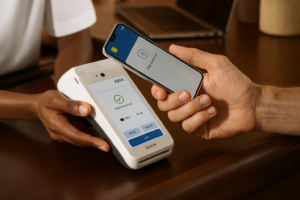
Implementing new card machine technology in your Irish business can significantly improve efficiency, reduce errors, and enhance the customer experience. However, these benefits can only be realized when you properly train staff on card machine systems. Even the most advanced payment terminals will fail to deliver their full potential if your team struggles to operate them effectively.
Tags: #StaffTraining #CardMachineTechnology #PaymentProcessing #EmployeeSkills #RetailTechnology #IrishBusiness
Introduction: Why Effective Card Machine Training Matters
Learning how to effectively train staff on card machine technology is essential for business owners. Implementing new card machine technology in your Irish business can significantly improve efficiency, reduce errors, and enhance the customer experience. However, these benefits can only be realized when your staff is properly trained and confident in using the equipment. Even the most advanced card machines will fail to deliver their full potential if your team struggles to operate them effectively.
“The most common reason payment technology implementations fail isn’t technical issues—it’s inadequate staff training,” explains retail consultant Maria O’Connor. “When employees lack confidence in using new card machines, they revert to manual processes, create workarounds, or develop habits that can introduce security risks and inefficiencies.”
According to the Banking & Payments Federation Ireland, card payments continue to grow in importance, with contactless transactions increasing by over 30% annually. This shift makes proper payment technology training more crucial than ever for Irish businesses.
This comprehensive guide will walk you through effective strategies for training your staff on new card machine technology, ensuring a smooth transition and maximizing your investment in modern payment systems.
Assessing Training Needs Before Implementation
Before developing your training program, assess your specific needs to ensure your approach matches your team’s requirements:
Understanding Your Staff’s Current Technology Comfort
Different team members will have varying levels of comfort with technology:
- Technology Natives: Younger staff who adapt quickly to new systems
- Technology Adapters: Staff who use technology but need structured learning
- Technology Resisters: Team members who may feel anxious about new systems
“Recognizing these different comfort levels is the first step in developing effective training,” notes employee development specialist John Murphy. “A one-size-fits-all approach typically results in some staff being bored while others feel overwhelmed.”
Consider conducting a simple anonymous survey to gauge your team’s confidence with technology. This can help you identify who might need additional support and which staff members could serve as internal champions for the new system.
Identifying Business-Specific Training Requirements
When you train staff on card machine systems properly, transaction errors decrease significantly. Your training needs will vary based on your business type and operations:
Retail-Specific Needs
- Processing different product categories
- Handling returns and exchanges
- Managing discounts and promotions
Hospitality-Specific Needs
- Processing tabs and splitting bills
- Managing tips and gratuities
- Table service payment workflows
Service Business Needs
- Linking payments to appointments
- Processing deposits and installments
- Managing recurring client payments
“Understanding your unique operational requirements is crucial,” advises hospitality consultant David Kelly. “Generic training often fails to address the specific scenarios your staff will encounter daily.”
The best time to train staff on card machine technology is during slower business periods. When choosing a new card machine provider, inquire about their training resources and whether they can customize training for your specific business operations.
Key Features Requiring Training Focus
Hands-on practice is the most effective way to train staff on card machine operations. Based on research from the Irish Payment Services Organisation, these card machine features typically require the most training attention:
- Contactless Limits and Fallbacks: Understanding contactless payment limits and what to do when they’re exceeded
- Alternative Payment Methods: Processing mobile wallets, QR codes, and other emerging payment types
- Reconciliation Procedures: End-of-day settlement and balancing
- Troubleshooting Common Issues: Network connectivity problems, printer issues, declined transactions
- Security Protocols: Compliance with PCI DSS requirements and fraud prevention measures
“Focusing training on these high-priority areas ensures staff can handle the most common scenarios and challenges,” explains payment technology trainer Michael Collins. “Once they master these fundamentals, more advanced features can be introduced.”
Developing an Effective Training Program
Creating visual guides helps train staff on card machine features more efficiently. With your needs assessment complete, it’s time to develop your training program:
Tiered Training Approach
A tiered approach accommodates different learning needs and roles:
First Tier : Essential Operations (All Staff)
- Basic transaction processing
- Contactless, chip and PIN, and magnetic stripe handling
- Simple troubleshooting
- Security essentials
Second Tier: Advanced Functions (Key Staff)
- End-of-day procedures
- Returns and special transactions
- Detailed troubleshooting
- Report generation
Third Tier: Administrative Functions (Managers)
- System configuration
- Staff permission management
- Advanced reporting
- Integration with other systems
“This tiered approach ensures everyone learns what they need for their role without being overwhelmed by irrelevant information,” notes retail operations consultant Emma Walsh. “It also creates clear progression paths for staff who want to expand their responsibilities.”
Effective Training Methods for Different Learning Styles
People learn differently, so incorporate multiple teaching methods:
Hands-On Practice
- Scenario-based exercises
- Mock transactions
- Troubleshooting simulations
- Role-playing customer interactions
According to the National Adult Literacy Agency, hands-on practice is particularly effective for adult learners, with retention rates up to 75% higher compared to lecture-based training. Managers should train staff on card machine troubleshooting as part of the core curriculum.
Visual Learning Materials
- Step-by-step guides with screenshots
- Process flow charts
- Quick reference cards
- Video demonstrations
Written Documentation
- Comprehensive user manuals
- Procedure documents
- Frequently asked questions
- Troubleshooting guides
“The most successful training programs incorporate all three approaches,” explains learning development specialist Sarah O’Donnell. “This ensures that every staff member can access information in a format that works for their learning style.”
Creating Practical Training Scenarios
Develop realistic scenarios that staff will encounter in your business:
Retail Scenarios
- Processing multiple items with different payment methods
- Handling returns with original payment not available
- Managing discount and loyalty program interactions
Hospitality Scenarios
- Splitting bills between multiple payment methods
- Processing tips and gratuities correctly
- Managing table service payments efficiently
Common Challenge Scenarios
- Handling network connectivity issues
- Responding to declined transactions
- Managing printer problems
- Dealing with customer questions about payment security
“The closer your training scenarios mirror real-world situations, the better prepared your staff will be,” advises retail trainer Conor Ryan. “Include common exceptions and edge cases that tend to cause confusion.”
Implementation Strategies for Smooth Transitions
With your training program developed, focus on implementation strategies:
Timing Considerations
Strategic timing can significantly impact training success:
- Low-Volume Periods: Schedule initial training during quieter business times
- Phased Approach: Train small groups rather than the entire team simultaneously
- Buffer Time: Allow practice time between training and system go-live
- Refresher Sessions: Schedule follow-up training a few weeks after implementation
“The biggest mistake businesses make is conducting training too far in advance of actual implementation,” notes change management specialist Aoife Kelly. “Skills deteriorate quickly without practical application, so timing is crucial.”
Creating Internal Champions
It’s important to regularly train staff on card machine updates as payment technology evolves. Identify and develop internal champions who can:
- Receive advanced training directly from your provider
- Assist with training other staff members
- Provide ongoing peer support
- Gather feedback for continuous improvement
Research from the Irish Small and Medium Enterprises Association shows that having internal champions increases technology adoption rates by up to 60% and reduces implementation time by an average of 40%.
“Internal champions are invaluable because they speak the language of your business and understand your unique operations,” explains business consultant Patrick O’Brien. “They bridge the gap between technical expertise and practical application.”
Documentation and Quick Reference Materials
Develop accessible reference materials:
- Quick Reference Cards: Pocket-sized guides for common transactions
- Visual Procedure Posters: Near the point of sale for easy reference
- Troubleshooting Flowcharts: To handle common issues
- Contact Information: Clear escalation procedures for technical support
“Even well-trained staff will occasionally need reminders, especially for less frequent transactions,” notes retail operations manager Siobhan Murphy. “Having these references readily available reduces stress and prevents errors.”
Overcoming Common Training Challenges
Anticipate and prepare for these common challenges:
Managing Resistance to Change
Technology changes often face resistance. Address this by:
- Communicating Benefits: Explain how the new system helps staff and customers
- Acknowledging Concerns: Create safe spaces for expressing worries
- Providing Extra Support: Offer additional training for those struggling
- Celebrating Progress: Recognize improvements and early adopters
According to Enterprise Ireland, businesses that actively manage change resistance experience 70% higher success rates with technology implementations.
“Resistance is natural and should be expected,” advises organizational psychologist Dr. Emma Byrne. “The key is acknowledging it openly rather than dismissing concerns, which only entrenches resistance.”
Addressing Different Learning Paces
Staff will learn at different rates. Accommodate this by:
- Flexible Training Schedules: Offer multiple sessions
- Supplementary Materials: Provide additional resources for those who need them
- Peer Support Pairs: Partner faster and slower learners
- No-Shame Environment: Create a culture where questions are encouraged
“Creating a supportive learning environment is essential,” notes training specialist Thomas Flynn. “When staff feel judged for asking questions, they’ll pretend to understand rather than seek clarification, leading to problems later.”
Ensuring Consistent Application
Prevent staff from developing individual workarounds by:
- Clear Standard Procedures: Document the official way to perform each task
- Regular Audits: Check that procedures are being followed consistently
- Positive Reinforcement: Recognize staff who adhere to protocols
- Continuous Feedback: Regularly check in on challenges and concerns
“Inconsistent application of procedures is the number one cause of reconciliation problems,” warns accountant Rebecca Collins. “When each staff member develops their own approach, financial discrepancies inevitably follow.”
Ongoing Support and Continuous Improvement
Training doesn’t end after the initial sessions:
Establishing Support Systems
Create multi-layered support for ongoing assistance:
- Peer Support Network: Designate go-to people for quick questions
- Manager Support: Clear escalation path for more complex issues
- Vendor Support: Direct contact information for technical problems
- Online Resources: Access to tutorials and troubleshooting guides
“A robust support system gives staff confidence to use new technology,” explains business consultant Michael Kelly. “Knowing help is available reduces anxiety and encourages exploration of advanced features.”
Gathering and Implementing Feedback
Create feedback loops to continually improve:
- Regular Check-ins: Weekly team discussions during the first month
- Anonymous Suggestion System: For concerns staff might be reluctant to voice
- Usage Analytics: Monitor which features are being used or avoided
- Customer Feedback: Pay attention to customer comments about payment experiences
“Your frontline staff will quickly identify practical improvements that technical specialists might miss,” notes retail manager Claire Walsh. “Creating channels for this feedback is invaluable for system optimization.”
Scheduling Refresher Training
Plan for ongoing learning:
- Quarterly Refreshers: Brief sessions to reinforce key concepts
- New Feature Updates: Training when system updates occur
- Targeted Intervention: Additional training for areas where issues arise
- Advanced Feature Expansion: Gradually introduce more sophisticated capabilities
The Central Bank of Ireland reports that payment technologies typically have major updates every 12-18 months, making refresher training an ongoing necessity rather than a one-time event.
Case Studies: Successful Staff Training Implementations
Case Study 1: Neighborhood Retail Shop
Business Profile: Family-owned grocery with 8 employees, mix of ages and technical comfort
Training Approach:
- Identified the owner’s tech-savvy daughter as internal champion
- Created a tiered training program with basic and advanced components
- Developed visual quick-reference guides with screenshots
- Implemented a buddy system pairing more and less confident staff
- Scheduled training during slow morning hours with practice time
Results: 100% staff proficiency within two weeks, transaction times reduced by 22%, and error rate decreased by 35% compared to their previous system.
“The buddy system made all the difference,” shares owner Mary O’Sullivan. “Our more hesitant staff felt comfortable asking questions of their peers rather than feeling they were holding up a group training session.”
Case Study 2: Multi-Location Restaurant Group
Business Profile: Three-location casual dining chain with 40+ employees, high staff turnover
Training Approach:
- Developed detailed role-specific training modules
- Created professional training videos for consistency across locations
- Implemented train-the-trainer approach with location managers
- Established morning pre-shift micro-training sessions (10 minutes daily)
- Built payment scenarios into existing role-play training
Results: Reduced training time for new hires from 3 hours to 45 minutes, decreased payment errors by 60%, and improved staff confidence scores from 6.2/10 to 8.7/10.
“The micro-training approach was revolutionary for us,” explains operations director James Murphy. “These short, focused sessions were much more effective than overwhelming staff with information all at once.”
Case Study 3: Professional Services Firm
Business Profile: Accounting practice with 15 employees, handling complex client billing
Training Approach:
- Conducted thorough needs assessment for specific payment workflows
- Developed customized training addressing unique business requirements
- Created detailed documentation of all billing scenarios
- Implemented phased training with core functions first, then advanced features
- Scheduled monthly lunch-and-learn sessions for ongoing education
Results: Billing administration time reduced by 35%, client payment inquiries decreased by 40%, and staff reported 95% satisfaction with the training process.
“Taking the time to map our specific payment workflows rather than using generic training made all the difference,” notes managing partner Patrick Doyle. “The investment in customized training paid for itself within three months through increased efficiency.”
Measuring Training Success
Establish metrics to evaluate your training effectiveness:
Key Performance Indicators
Monitor these indicators to assess training success:
- Transaction Speed: Average time to complete standard transactions
- Error Rates: Frequency of voided transactions and corrections
- Support Requests: Number and type of questions or problems
- Staff Confidence: Self-reported comfort levels with technology
- Customer Feedback: Comments about payment experience
- Feature Utilization: Percentage of system capabilities being used
“What gets measured gets managed,” advises business analyst Robert Kelly. “Setting clear KPIs for your training program allows you to identify areas for improvement and demonstrate ROI.”
Recognizing and Rewarding Progress
Acknowledge and celebrate improvements:
- Individual Recognition: Praise staff who master new skills
- Team Celebrations: Mark milestones in the implementation journey
- Performance Incentives: Consider rewards for measurable improvements
- Success Stories: Share examples of how the new technology has improved operations
“Recognition is a powerful motivator, especially when learning new technology,” notes organizational behavior specialist Dr. Siobhan Murray. “Celebrating progress reinforces the value of the training and encourages continued engagement.”
Conclusion: Investing in Your Team’s Success
Implementing new card machine technology represents a significant investment for your business—not just in the equipment itself, but in the time and resources required for effective training. However, this investment typically delivers substantial returns through improved efficiency, reduced errors, enhanced security, and better customer experiences.
Remember these key takeaways:
- Assess Needs Thoroughly: Understand your team’s current capabilities and your business-specific requirements
- Develop Comprehensive Training: Create a program that addresses different learning styles and roles
- Implement Strategically: Consider timing, internal champions, and supporting materials
- Address Challenges Proactively: Prepare for resistance, different learning paces, and consistency issues
- Provide Ongoing Support: Establish clear help channels and continuous improvement processes
- Measure and Celebrate: Track progress and recognize achievements
By following these guidelines, you can ensure your staff confidently embraces new card machine technology, maximizing its benefits for your business and customers.
Next Steps for Your Business
Ready to implement new card machine technology in your Irish business? Compayre can help you find the right payment solution with excellent training and support options.
- Compare card machine providers with strong training programs
- Discover user-friendly payment terminals that simplify staff adoption
- Learn about support options for ongoing assistance
- Try our free comparison tool to find the right payment solution for your business
Need guidance on finding payment solutions with excellent training and support for your Irish business? Contact Compayre at +353 1 265 4403 or visit compayre.ie to compare the best card machines in Ireland today.
About the Author: This comprehensive guide was created by the business training specialists at Compayre, Ireland’s leading independent comparison service for merchant payment solutions. Our team helps Irish businesses not only find the right payment technology but also implement it successfully.
Sources:
- Banking & Payments Federation Ireland. (2025). Digital Payments Adoption Report. https://www.bpfi.ie/key-topics/payment-trends/
- Central Bank of Ireland. (2024). Payment Technology Consumer Experience Study. https://www.centralbank.ie/consumer-hub/explainers/what-is-a-contactless-payment
- National Adult Literacy Agency. (2024). Workplace Learning Effectiveness Study. https://www.nala.ie/
- Enterprise Ireland. (2025). Digital Adoption in Irish SMEs Report. https://www.enterprise-ireland.com/en/productivity/digital-innovation/
- Irish Small and Medium Enterprises Association. (2024). Technology Implementation Success Factors. https://isme.ie/
Related Articles You Might Find Helpful: