Introduction
Choosing the right Electronic Point of Sale (EPOS) system is essential for running a successful business, but not all EPOS systems are built the same. A retail EPOS system differs significantly from a restaurant EPOS system, as each serves different operational needs. Understanding these differences can help you choose the best system to streamline your operations, improve customer experience, and maximize profits.
What is an EPOS System?
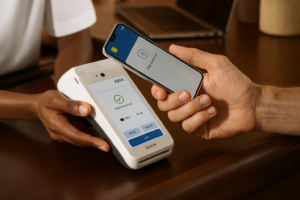
An EPOS system is an advanced version of a traditional cash register that integrates hardware and software to facilitate seamless transactions, inventory management, and customer data tracking. EPOS solutions vary depending on the industry, with retailers and restaurants requiring distinct functionalities.
Key Differences Between Retail and Restaurant EPOS Systems
1. Inventory Management
- Retail EPOS: Designed to track thousands of SKUs (Stock Keeping Units) across multiple categories, a retail EPOS system enables barcode scanning, stock alerts, and automatic reordering. Ideal for supermarkets, clothing stores, and electronics shops.
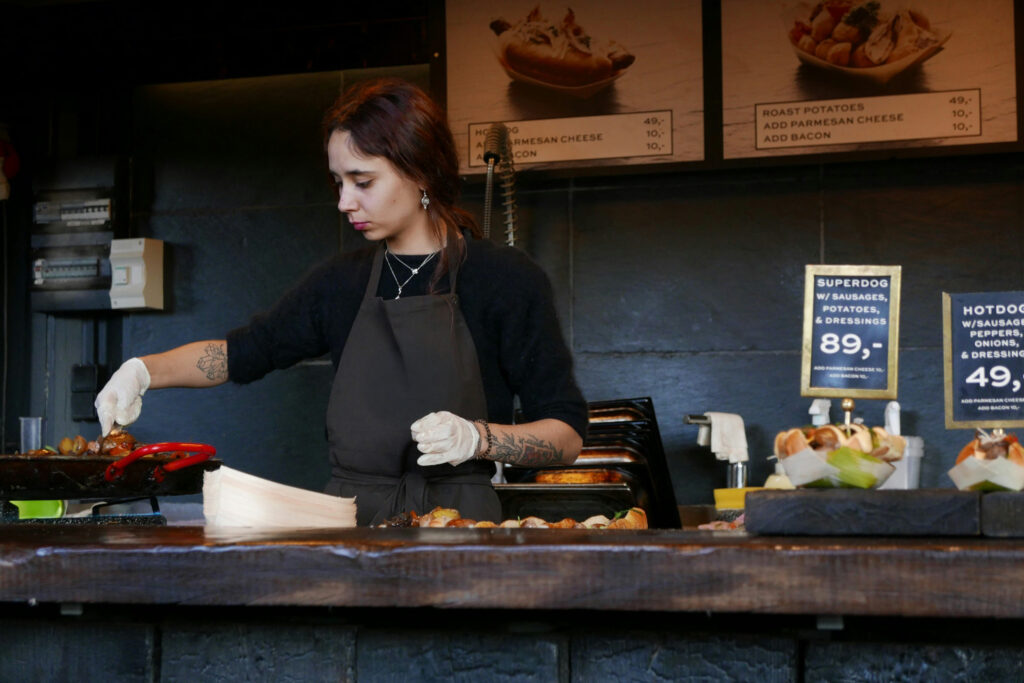
- Restaurant EPOS: Focuses more on menu management, ingredient tracking, and portion control. Since restaurants deal with perishable goods, a restaurant EPOS provides features like real-time stock monitoring to prevent waste and manage supply levels effectively.
2. Order Management and Processing
- Retail EPOS: Facilitates quick scanning of products, applying discounts, and handling multiple payment methods. It also supports integration with e-commerce platforms to sync online and in-store sales.
- Restaurant EPOS: Designed for table-side ordering, kitchen display systems (KDS), and split-bill payments. Many restaurant EPOS systems allow direct communication between waitstaff and kitchen staff to reduce order errors and improve efficiency.
3. Customer Experience and Loyalty Programs
- Retail EPOS: Often includes customer relationship management (CRM) features, enabling personalized promotions, gift cards, and loyalty points to encourage repeat purchases.
- Restaurant EPOS: Focuses on table reservations, takeaway options, and customer feedback collection, helping restaurants improve service quality and retain customers.
4. Payment Processing and Tipping Options
- Retail EPOS: Supports contactless, mobile, and card payments, with options for refunds and exchanges. It integrates seamlessly with card machines to ensure smooth transactions.
- Restaurant EPOS: Includes gratuity features, allowing customers to add tips during checkout. Some systems also support bill-splitting, which is crucial for group dining.
5. Integration with Other Business Tools
- Retail EPOS: Integrates with inventory management, e-commerce, and accounting software like QuickBooks or Xero.
- Restaurant EPOS: Connects with kitchen management software, online delivery platforms, and reservation systems to streamline restaurant operations.
Choosing the Right EPOS System for Your Business
When selecting an EPOS provider in Ireland, consider factors like cost, ease of use, and industry-specific features. Some reputable EPOS providers, such as New Payment Innovation (NPI) and SmartPOS, offer solutions tailored to both retail and restaurant businesses.
If you run a retail business, look for an EPOS system that excels in inventory tracking, CRM, and fast checkout. If you own a restaurant or café, choose an EPOS that prioritizes menu management, order processing, and payment flexibility.
Final Thoughts
Investing in the right EPOS system can significantly impact your business efficiency and customer satisfaction. Whether you’re running a boutique store or a bustling restaurant, choosing a system that aligns with your operational needs will help you stay competitive and improve profitability.
Ready to Find the Best EPOS Solution for Your Business?
Visit Compayre.ie to compare EPOS systems in Ireland and find the perfect fit for your business needs!