As cashless transactions continue to dominate the market, businesses in Ireland must decide on the best payment solution for their needs. Two of the most popular options are card machines and mobile payment apps. But which one is the right fit for your business? Let’s explore the benefits and drawbacks of each to help you make an informed decision.
What Are Card Machines?
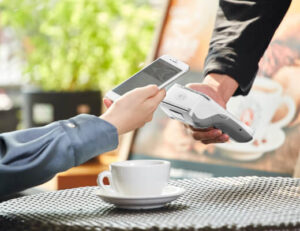
Card machines, also known as point-of-sale (POS) terminals, allow businesses to accept debit and credit card payments from customers. They typically support chip & PIN, contactless, and mobile wallet payments (such as Apple Pay and Google Pay). Card machines are widely used in retail stores, restaurants, coffee shops, and service-based businesses.
Pros of Card Machines:
- Reliable and Secure: Card machines comply with PCI DSS security standards, ensuring secure transactions.
- Familiar and Trusted: Customers are accustomed to using card machines, making them comfortable with the process.
- Works Offline: Some card machines can process transactions even when the internet is down.
- Multiple Connectivity Options: Available in wired, wireless, and mobile (SIM-based) models.
Cons of Card Machines:
- Higher Costs: Businesses must pay for hardware, transaction fees, and sometimes monthly rental fees.
- Setup and Maintenance: Requires initial setup and occasional software updates.
- Limited Mobility: While wireless models exist, they are not as portable as mobile payment apps.
What Are Mobile Payment Apps?
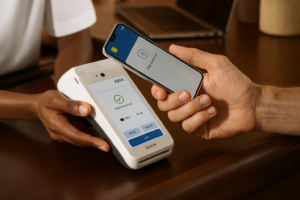
Mobile payment apps allow businesses to accept payments via a smartphone or tablet. These apps often support payments through QR codes, NFC (near-field communication), or direct peer-to-peer transfers. Examples include SumUp, Square, Revolut Business, and Stripe Terminal.
Pros of Mobile Payment Apps:
- Low Cost: No need for expensive hardware—just a smartphone or tablet.
- Ultimate Portability: Accept payments anywhere with an internet connection.
- Fast Setup: Quick to install and easy to use.
- Integration with Accounting & EPOS: Many apps sync with EPOS systems and accounting software like QuickBooks or Xero.
Cons of Mobile Payment Apps:
- Internet-Dependent: Transactions require a stable internet connection.
- Trust Issues: Some customers prefer traditional card machines over phone-based payments.
- Transaction Limits: Some apps have limits on the amount you can process per transaction or per day.
Which Payment Solution Is Best for Your Business?
Choosing between card machines and mobile payment apps depends on the nature of your business:
- Retail Stores & Restaurants: A traditional card machine is ideal for seamless and secure payments.
- Market Stalls & Mobile Businesses: A mobile payment app provides flexibility and convenience.
- Small Startups & Freelancers: Mobile payment apps are cost-effective for those who need a quick and easy setup.
- Established Businesses: A combination of both card machines and mobile payment apps ensures you cater to all customer preferences.
Top Card Machine and Mobile Payment Providers in Ireland
To make your decision easier, here are some top providers in Ireland:
Card Machine Providers:
- NPI – New Payment Innovation: Competitive pricing and tailored merchant services.
- Smartpos: Affordable solutions for businesses.
Mobile Payment App Providers:
- Square: Popular for its ease of use and integration with EPOS systems.
- Revolut Business: Ideal for small businesses and freelancers.
Final Thoughts
Whether you opt for a traditional card machine or a mobile payment app, the key is choosing a secure, reliable, and cost-effective solution that suits your business needs. Many businesses in Ireland use a combination of both to provide flexibility for their customers.
Want to compare the best card machine and payment solutions for your business? Visit Compayre.ie to find the best deals and providers in Ireland.